Image - 2026-10-21 11:15
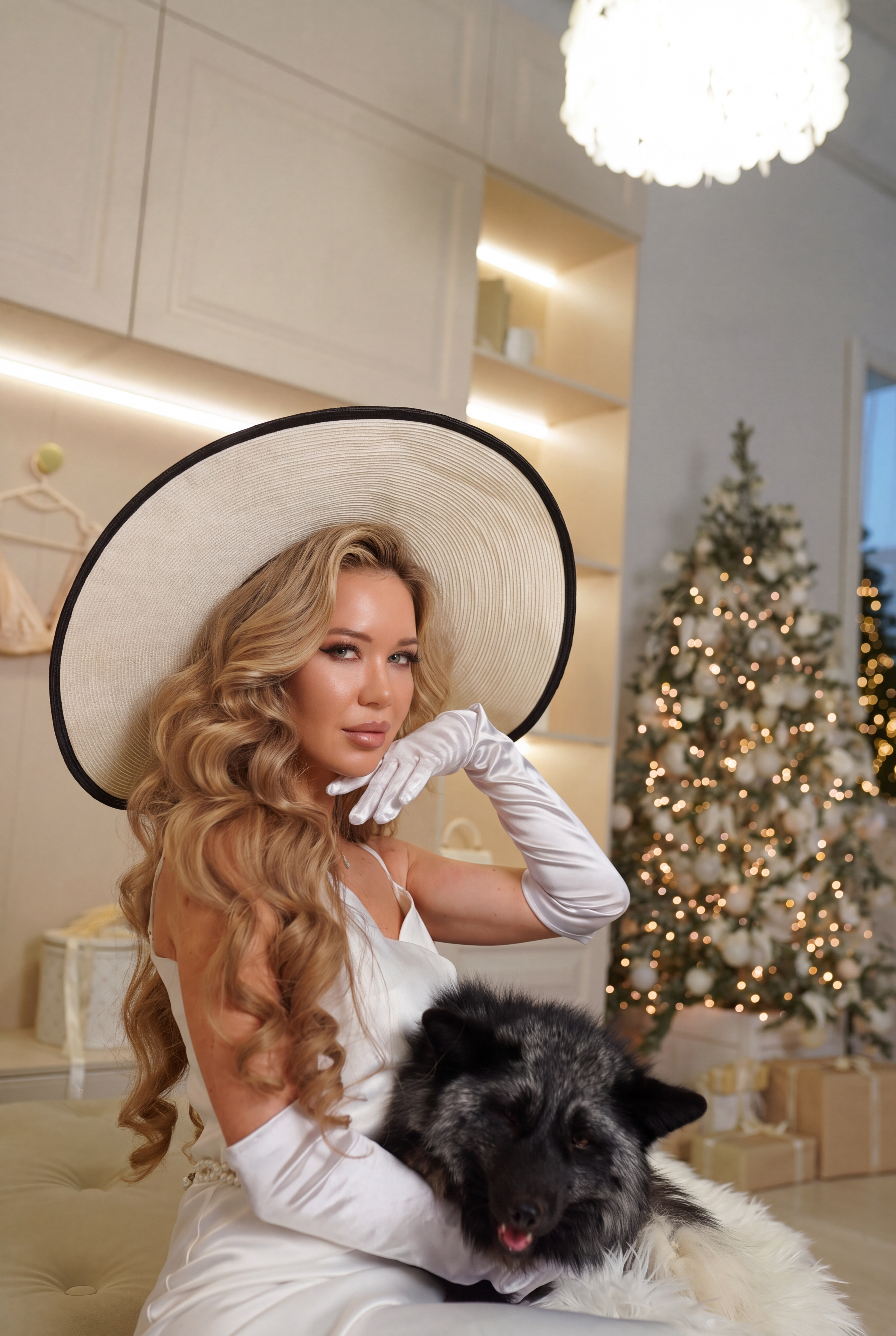
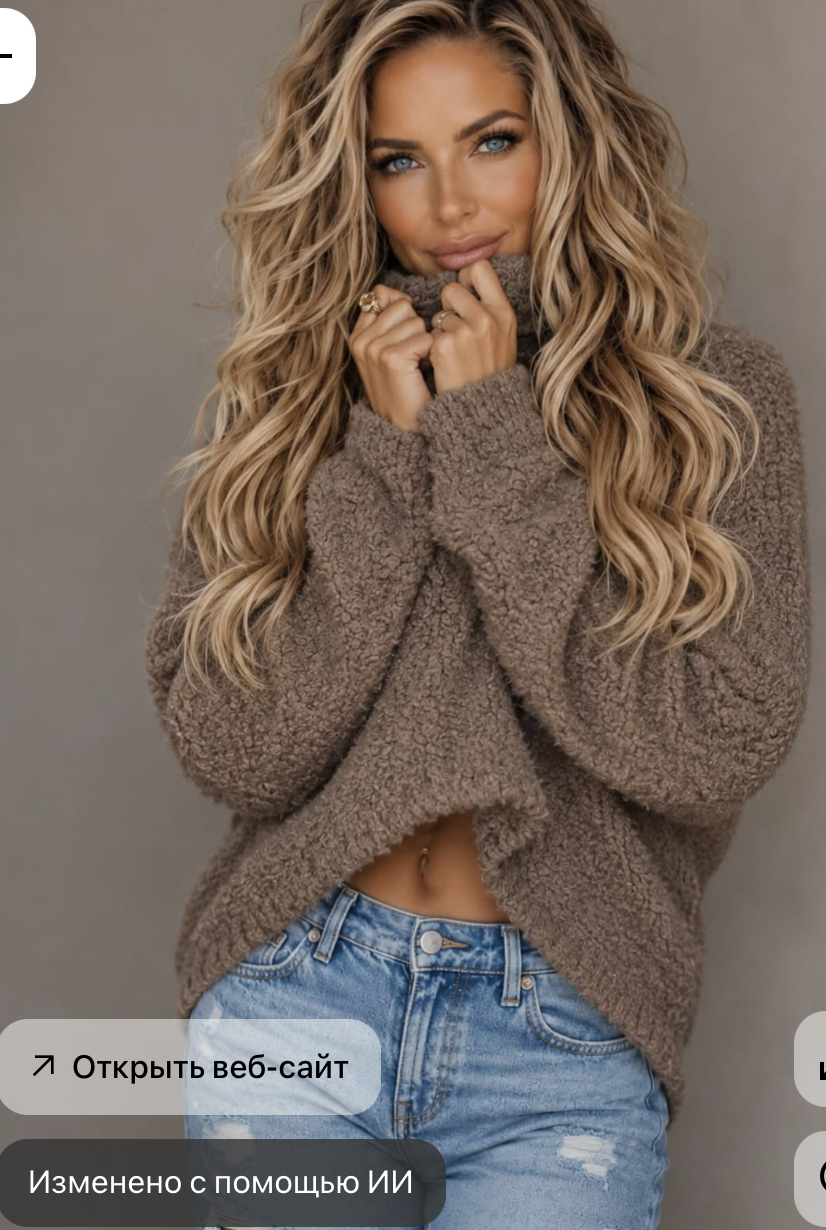
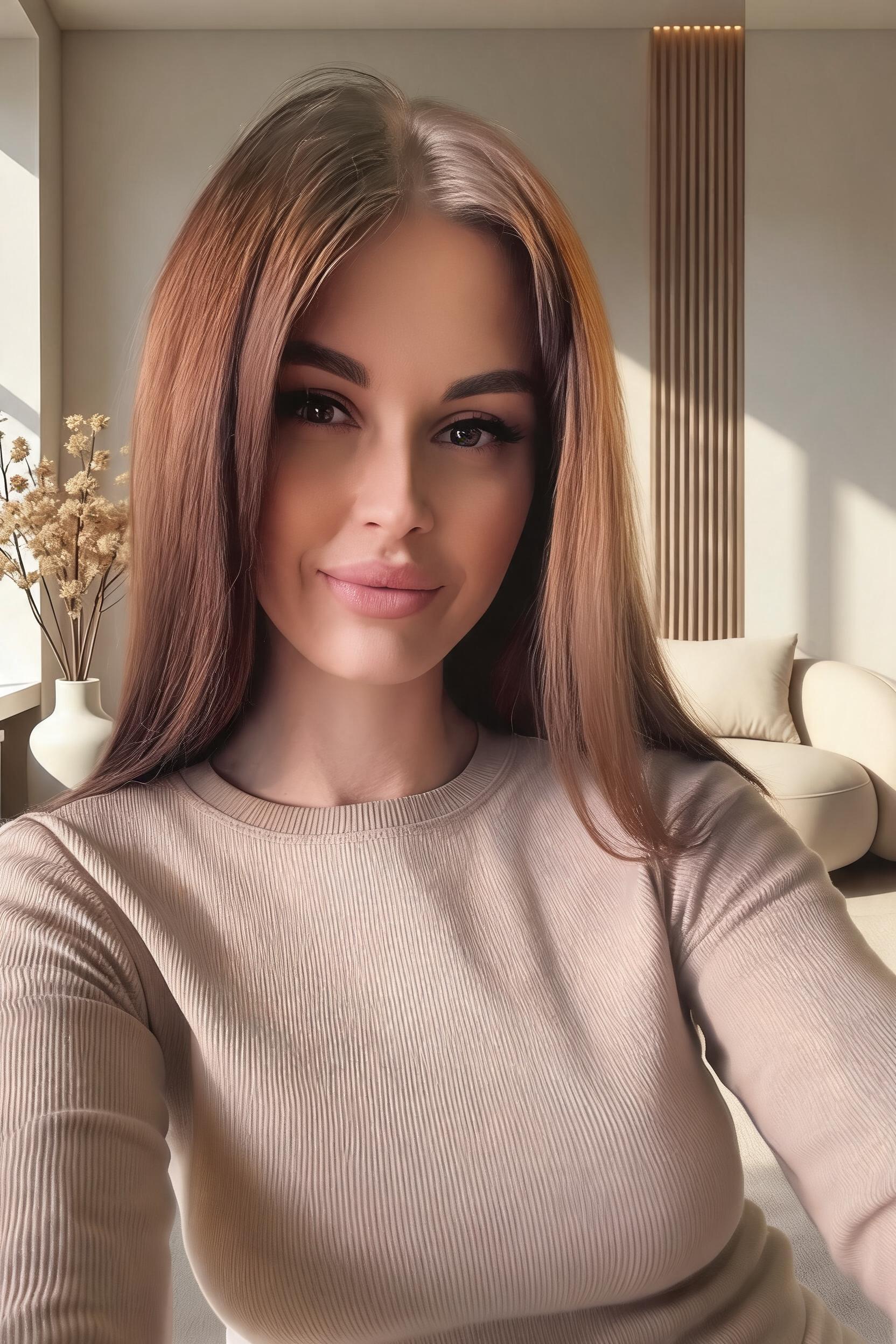
# NANO BANANA PRO — TWO-IMAGE FASHION MASTER PROMPT ## IMAGE 1 — EXCLUSIVE MODEL IDENTITY REFERENCE Image 1 is the absolute and exclusive source of the woman's identity and original appearance. Preserve the exact same woman from Image 1. The final image must depict this specific model, not a similar-looking woman and not a newly generated interpretation of her appearance. Preserve her facial identity and geometry: face shape, forehead, hairline, eyebrows, eye shape and color, eye spacing, nose, lips and their natural size, cheeks, cheekbones, jawline, chin, ears, natural asymmetries, and original skin tone. Preserve her original hairstyle exactly as shown in Image 1, including hair color, roots, highlights, parting, length, volume, wave pattern, texture, and overall silhouette. Preserve her original body proportions and build. Adapt her pose to the new scene without changing her body type or anatomy. **Image 1 always overrides Image 2 whenever identity or appearance is concerned.** Never copy, blend, average, or borrow the face, hairstyle, hair color, body proportions, or personal appearance of the woman shown in Image 2. ## NATURAL SKIN TEXTURE — REALISTIC HUMAN APPEARANCE Preserve the authentic skin texture visible in Image 1, including natural pores, subtle fine lines, delicate expression lines, fine facial peach fuzz, tiny natural imperfections, and realistic tonal variations. Keep the original model's real-looking skin details and natural facial character. The skin must look like human skin photographed with a high-quality camera, not a digitally perfected beauty portrait. Do not apply artificial smoothing, airbrushing, beauty filters, excessive retouching, waxy or plastic skin, porcelain-doll effects, or CGI-like facial textures. Do not erase visible skin details or invent exaggerated wrinkles, pores, freckles, or other features. Preserve the natural level of texture shown in Image 1. ## IMAGE 2 — OUTFIT, ACCESSORIES, LOCATION AND PHOTOGRAPHIC REFERENCE Use Image 2 as the reference for the complete visual scene, including: - Clothing and accessories: garment design, colors, fabric, knit patterns, texture, fit, construction details, shoes, bags, jewelry, and other visible accessories. - Location and environment: architecture, landscape, furniture, background objects, surrounding scenery, and spatial arrangement. - Pose and body positioning: sitting or standing position, torso orientation, shoulder position, arm and hand placement, leg arrangement, head tilt, and direction of gaze. - Photography: camera angle, perspective, framing, subject placement, lighting direction, shadow softness, depth of field, color palette, contrast, and overall editorial mood. Reproduce the outfit and the general photographic direction faithfully, adapting them naturally to the body and identity of the woman from Image 1. **Important:** Image 2 is not a source of facial identity. If a person appears in Image 2, use that person only to understand the clothing, pose, and photographic composition. Do not reproduce that person's face, hairstyle, hair color, or body proportions. ## CLOTHING AND FABRIC ACCURACY Reproduce the clothing visible in Image 2 as faithfully as possible. Preserve the original garment colors, silhouettes, proportions, fabric weight, material, seams, cuffs, collars, knit structures, and other identifiable details. Make the clothing fit the model naturally. Fabric folds, tension, shadows, and contact with the body must be physically plausible. Do not invent new garment details, decorative patterns, accessories, jewelry, or embellishments that are not present in the reference. ## HAIR — PRESERVE THE ORIGINAL MODEL'S HAIRSTYLE The hairstyle in the final image must come from Image 1, not Image 2. Maintain the original hairline, color, root shade, highlight distribution, length, texture, and wave pattern. Render individual strands naturally, with realistic variation in thickness and direction. Avoid artificial long blonde stripes, ribbon-like highlights, duplicated strands, painted hair, synthetic-looking waves, or exaggerated contrast. Do not add a bun, headband, clips, or other hair accessories unless explicitly requested. ## POSE, COMPOSITION AND NATURAL ANATOMY Recreate the pose and photographic composition of Image 2 as closely as reasonably possible while retaining the exact identity and body proportions of the woman from Image 1. Maintain natural balance, realistic joints, correct hand and finger anatomy, believable limb positions, and physically possible body posture. If an adjustment is necessary to avoid anatomical distortion, prioritize a natural, realistic pose over an exact mechanical copy. ## LIGHTING AND PHOTOREALISM Match the lighting direction, color temperature, atmosphere, shadows, background depth, and photographic perspective of Image 2. The result should look like a genuine photograph captured by a professional fashion photographer. Preserve realistic skin response to the scene lighting, natural hair detail, believable fabric texture, and coherent shadows. Do not add artificial glow, excessive sharpening, painted details, beauty-filter effects, or decorative elements that are not requested. ## FINAL PRIORITY RULE 1. Exact identity, face, original hairstyle, skin characteristics, and body proportions from Image 1. 2. Accurate clothing and accessories from Image 2. 3. Location, pose, composition, camera perspective, lighting, and photographic atmosphere from Image 2. 4. Natural anatomy, realistic skin, authentic hair, and photographic consistency. Create one cohesive, photorealistic fashion photograph of the exact same woman from Image 1, wearing the outfit and appearing in the scene shown in Image 2. **STRICT ORIGINAL HAIR PRESERVATION — NO EXTRA HAIR** Image 1 is the exclusive source of the model's original hairstyle and hair structure. Preserve the exact original hairstyle, natural hairline, parting, hair length, volume, density, wave pattern, and overall silhouette from Image 1. Do not make the hair thicker, fuller, longer, curlier, or more voluminous than in the original model reference. Do not generate additional locks, extra strands, artificial flyaways, duplicated hair sections, extensions, new curls, or hair crossing the face and clothing in ways that are not supported by Image 1. Do not create long ribbon-like strands, isolated wavy lines, exaggerated blonde streaks, sharp artificial highlights, or hair that looks pasted onto the photograph. Keep individual strands subtle, naturally integrated, and consistent with the original hairstyle. Preserve realistic strand thickness, natural color transitions, and believable interaction with gravity. The hair must look like the same original hair photographed in a different scene, not a newly invented hairstyle. **Do not redesign or regenerate the hairstyle. Change only the lighting and natural appearance of the existing hair as required by the new photographic environment.** Preserve the rest of the image, including facial identity, skin texture, clothing, pose, and background. **Preserve the original woman. Transfer the scene, not the identity of the reference person.**
Free to start · Generate videos and images with AI in seconds
More from this creator

More Kie.ai images
См. все →