Image - 2026-10-21 10:14
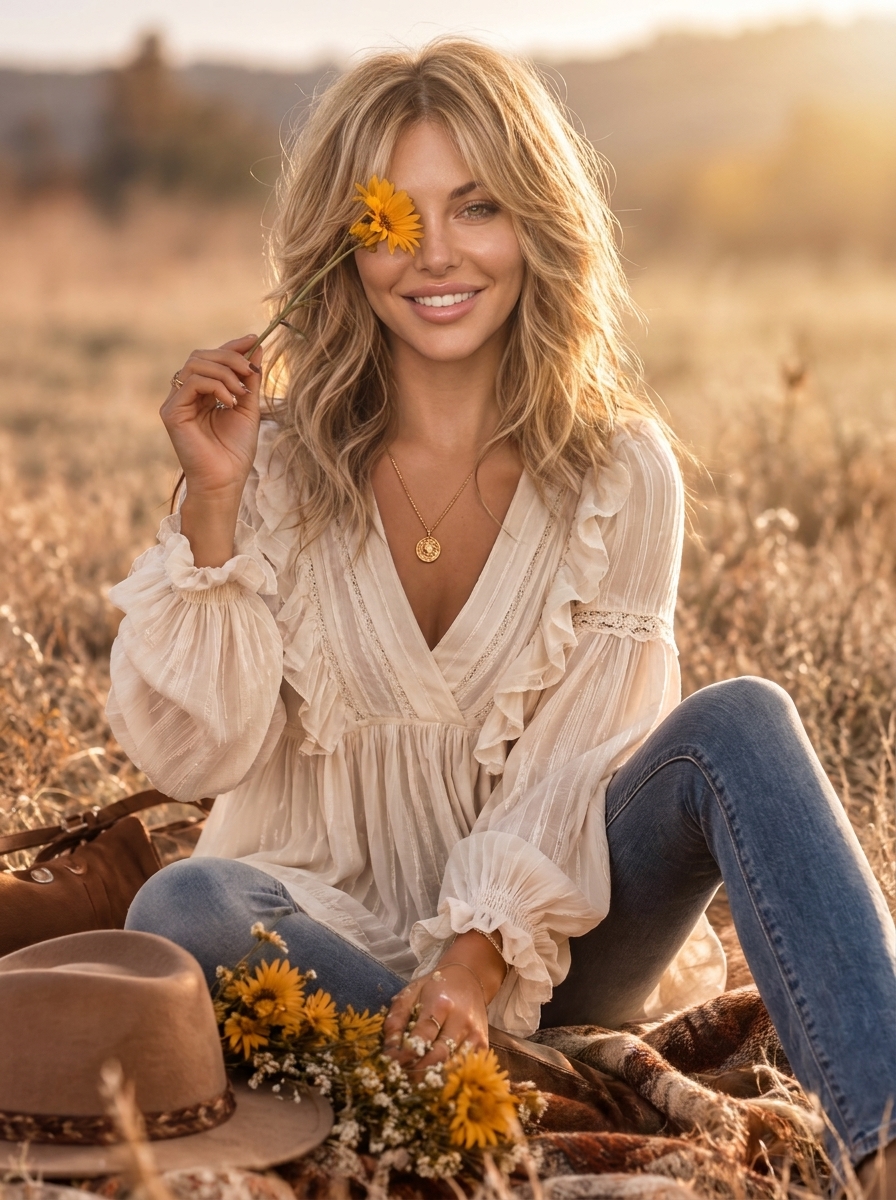
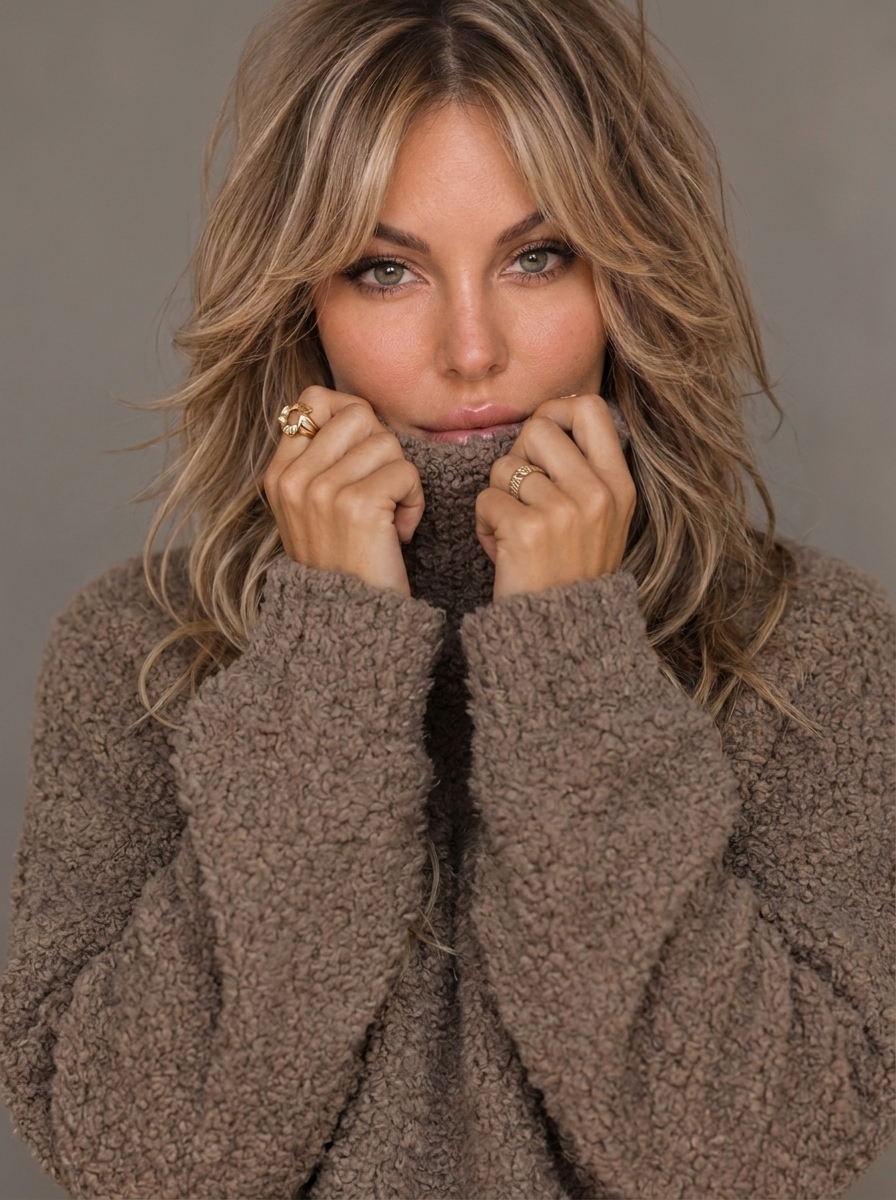
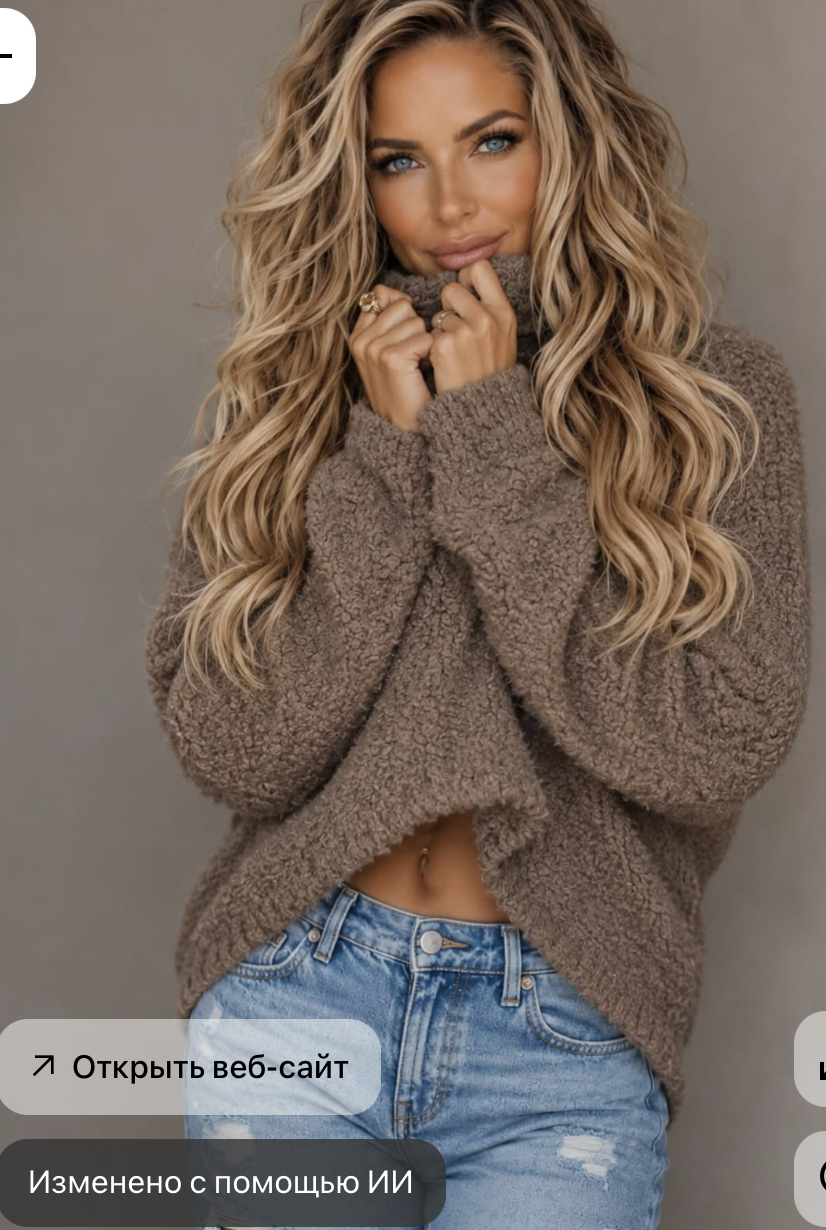
# MASTER PROMPT — AI FASHION PHOTOGRAPHY INSPIRED BY A REFERENCE Create a highly photorealistic, premium fashion photograph featuring the exact same woman from Image 1, inspired by the photographic style and visual direction of Image 2. This is a new, original fashion photograph, not an exact reproduction of the reference. ## IMAGE 1 — MAIN MODEL: IDENTITY, HAIRSTYLE, AND APPEARANCE Image 1 is the exclusive source of the woman's identity and appearance. Preserve the exact same woman, with maximum identity consistency. Preserve her: - Facial identity and face shape. - Eyes, eye color, eyebrows, nose, lips, mouth, cheekbones, jawline, chin, forehead, and ears. - Natural skin tone, undertones, realistic pores, fine lines, and authentic skin texture. - Exact hairstyle, haircut, hair color, hairline, parting, length, volume, texture, layers, and styling. - Original body proportions, natural body shape, and recognizable overall appearance. The hairstyle is already finalized. Do not redesign, restyle, shorten, lengthen, recolor, or replace it. Do not copy the hairstyle of the person in Image 2. Do not beautify, reconstruct, reinterpret, or blend the woman's face with another person's identity. Do not change her age, facial proportions, eye color, lip shape, or skin tone. Image 1 has absolute priority for identity, hairstyle, and appearance. ## IMAGE 2 — PHOTOGRAPHIC STYLE AND CREATIVE REFERENCE Use Image 2 as inspiration for the overall photographic concept, not as a source of identity. Study and reinterpret its: - Location, environment, architectural details, and background atmosphere. - General pose, body orientation, shoulder position, arm placement, and leg positioning. - Head angle, head tilt, direction of gaze, and facial expression. - Camera angle, perspective, camera distance, framing, and subject placement. - Lighting direction, softness, contrast, shadows, highlights, and ambient light. - Color palette, tonal balance, depth of field, background blur, and visual mood. - Fashion-editorial aesthetic, photographic style, and overall image quality. Use these elements to create a photograph that feels visually related to Image 2 while remaining an original composition. Do not copy the exact pose, framing, camera position, or arrangement of every visual element. Make thoughtful, subtle changes to the body position, head orientation, camera framing, or subject placement. The new image should feel like another photograph from the same fashion campaign or editorial photoshoot, not a duplicate of the reference. Do not copy the face, identity, hairstyle, body, or distinctive personal appearance of the person in Image 2. ## OUTFIT AND STYLING Preserve the original outfit and visible accessories from Image 1 unless a change is explicitly requested. Do not replace the clothing with the outfit worn by the person in Image 2. Adapt the pose naturally to the existing outfit. Preserve realistic fabric folds, garment construction, fit, and interaction between clothing and the body. ## POSE AND EXPRESSION Create a pose inspired by Image 2, maintaining a similar overall attitude and body language without reproducing the exact position. The body, hands, arms, and legs must be anatomically correct and naturally connected. The head angle and gaze should complement the new pose and photographic composition. Do not automatically turn the model directly toward the camera if the reference suggests a different direction. Keep the facial expression natural and consistent with the desired editorial mood while preserving the woman's identity. ## LOCATION AND COMPOSITION Create a setting inspired by Image 2, preserving its general environment, atmosphere, architectural character, and visual palette. The location should feel similar in style, but the composition must be new. Introduce subtle differences in the background arrangement, camera framing, subject placement, or perspective. Avoid copying the reference pixel for pixel or recreating every object in exactly the same position. ## LIGHTING AND CAMERA AESTHETIC Reproduce the general lighting quality and photographic character of Image 2. Match its broad lighting characteristics, such as: - Direction and softness of the key light. - Natural or artificial ambient illumination. - Shadow depth and highlight roll-off. - Warm or cool color temperature. - Contrast, exposure balance, and background separation. - Depth of field and the degree of background blur. Use realistic photographic perspective, coherent light direction, natural shadows, and believable depth. Do not invent camera metadata or force a specific lens if it is not visually supported by the reference. Recreate the visible photographic effect instead. ## PHOTOREALISM AND QUALITY The final image must look like a real photograph taken by a professional fashion photographer. Preserve realistic skin pores, fine lines, natural hair strands, fabric texture, accurate anatomy, and coherent lighting. Avoid plastic skin, excessive beauty retouching, watercolor effects, painted textures, artificial facial symmetry, distorted hands, extra fingers, unnatural limbs, oversized heads, and inconsistent shadows. Maintain consistent skin tone and lighting across the face, neck, hands, and body. Prioritize natural realism, identity consistency, editorial quality, and a cohesive photographic result. ## STRICT SOURCE SEPARATION Image 1 determines WHO the woman is, how she looks, her hairstyle, body proportions, outfit, and original accessories. Image 2 determines the photographic inspiration: location style, pose direction, atmosphere, lighting, camera perspective, composition, and editorial mood. Never transfer the identity, face, hairstyle, or body of the person in Image 2 onto the woman from Image 1. When references conflict, always prioritize the woman's identity, hairstyle, and appearance from Image 1. ## FINAL OBJECTIVE Generate one high-quality, photorealistic, original fashion photograph featuring the exact woman from Image 1, with her identity and finalized hairstyle preserved. Create a new image inspired by the pose, location, lighting, camera perspective, and editorial style of Image 2, with subtle creative differences rather than an exact copy. The final result should look like another professionally photographed image from the same visual world, while remaining unmistakably the same AI model from Image 1. Generate one finished photograph only. Do not create a collage, split screen, contact sheet, or multiple variations.
Free to start · Generate videos and images with AI in seconds
More from this creator

More Fast gen images
См. все →